

Microplastics in drinking water – an invisible problem with major impact

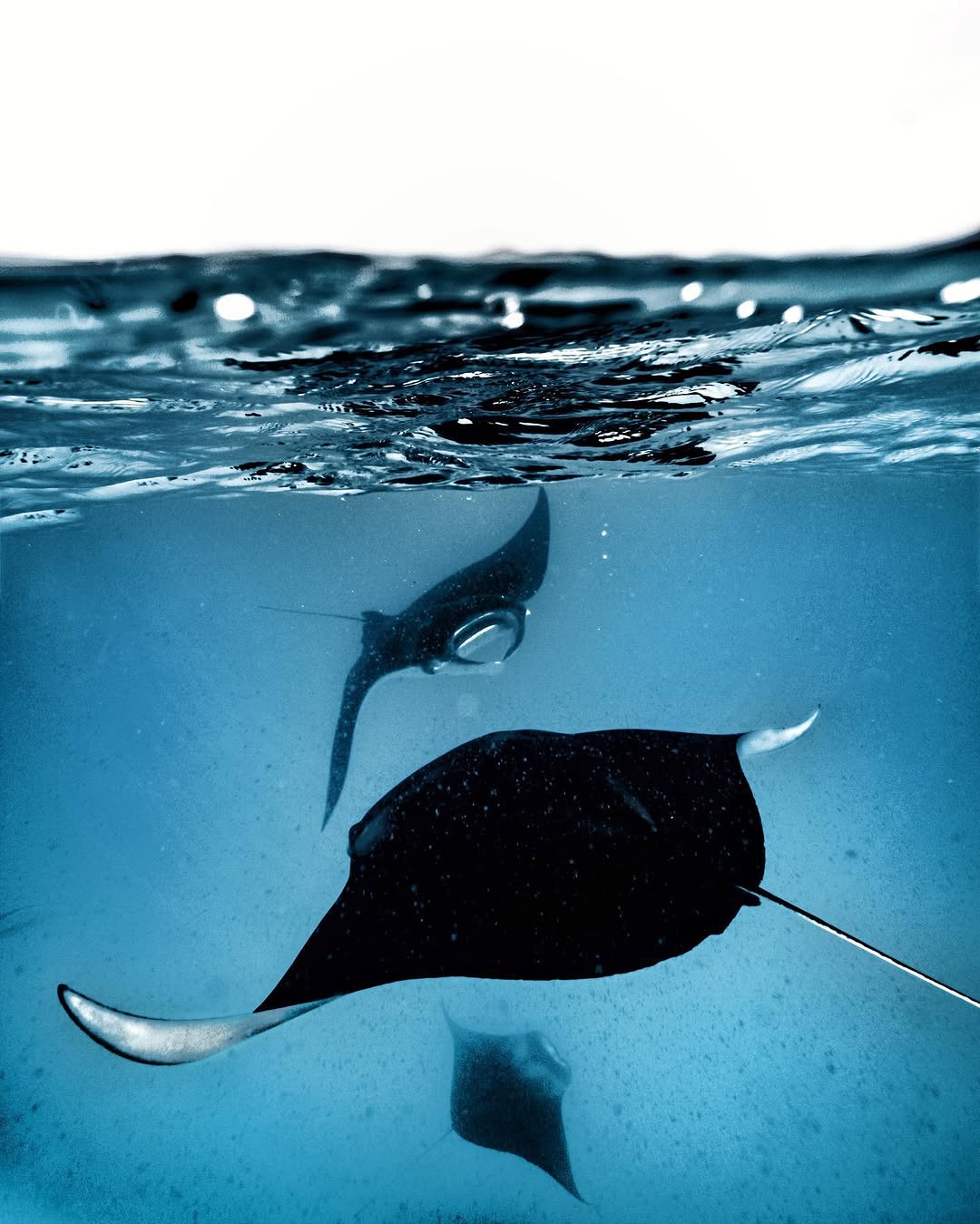
Image credit: Photo by @afuafex
Image credit: Photo by @ayya.lens
Microplastics in drinking water are no longer a vision of the future – they are a reality. According to a 2024 study by the World Health Organization (WHO), microplastic particles have been detected in practically every drinking water sample examined worldwide. That sounds alarming. But how dangerous is it really? What do we know, what do we not yet know – and what can you do?
In this article, we get to the bottom of the matter: scientifically sound, honest, and without unnecessary scaremongering.
What are microplastics anyway? 🔬
Microplastics are plastic particles smaller than 5 millimeters. Even smaller are so-called nanoplastic particles – tiny fragments under 1 micrometer that even modern filtration systems can hardly retain.
Microplastics are formed in two ways: Primary microplastics are produced directly in this size – for example, as microbeads in cosmetic products or as pellets for plastic processing. Secondary microplastics are formed by the breakdown of larger pieces of plastic, which are increasingly fragmented by UV radiation, waves, and mechanical friction.
The ocean is both a victim and an intermediate station: plastic ends up in the sea, breaks down into microplastics – and returns to us via the water cycle.
How do microplastics get into drinking water? 💧

The journey from a piece of plastic in the ocean to your water glass is shorter than you think. There are several entry routes:
- Surface water: Rivers and lakes absorb microplastics from the environment – through rain, wastewater, and atmospheric deposits.
- Atmospheric deposition: Microplastic particles are spread by the wind and even reach remote mountain regions and groundwater sources.
- Water treatment: Conventional sewage treatment plants filter out a large proportion, but particularly fine nanoplastic particles pass through the filters almost unhindered.
- Pipe systems: Old PVC pipes can release particles into the water themselves.
- Plastic bottles: Ironically, water from plastic bottles contains significantly more microplastic particles than tap water, according to several studies.
An analysis by the UN Environment Programme (UNEP) shows that global plastic production could triple by 2050 – and with it, the burden on our water sources.
What do current studies say about health risks? 🧬
This is where it gets complex – and frankly, there are no definitive answers yet. What science knows so far:
Physical damage: In laboratory experiments, microplastic particles were able to penetrate human tissue and trigger inflammatory reactions. Nanoplastics, in particular, are able to cross cell membranes.
Chemical contamination: Plastic is not a pure material – it contains plasticizers (phthalates), stabilizers, and dyes, many of which are classified as hormonally active or even carcinogenic. These substances can leach from the particles.
Trojan horse effect: Microplastic particles have a large surface area and bind other pollutants such as PCBs or pesticides to themselves – and can thus transport them deeper into the body.
However, the WHO also emphasizes: The current data is not yet sufficient to define specific threshold values for human health. Research is ongoing – and this is a sign that the issue is being taken seriously.
How high is the contamination in Germany? 🇩🇪
German drinking water is among the most strictly controlled in the world. The Federal Environment Agency classifies the current contamination as comparatively low – microplastics are not currently a regulated parameter in the Drinking Water Ordinance but are increasingly being included in discussions.
Nevertheless, studies by the Helmholtz Institute and TU Berlin have also detected particles in German water samples – especially in urban areas with higher wastewater volumes. Tap water consistently performs better than bottled water.
What can you do specifically? ✅
The good news: You are not powerless. Here are the most effective measures:
- Tap water instead of plastic bottles: This reduces both your personal microplastic intake and plastic entry into the environment – a real win-win.
- Water filters with activated carbon or reverse osmosis: These technologies can also filter out fine particles. Look for certified products.
- Reduce overall plastic consumption: Less plastic in circulation means less plastic in the water in the long term. Reusable containers, sustainable products made from Ocean Plastic, and conscious purchasing decisions make a difference.
- Filter synthetic clothing when washing: Fleece and polyester release thousands of microfibers with every wash. Laundry bags like the Guppyfriend help to collect them.
- Exert political pressure: Speak up – with local initiatives, through petitions, or simply through conscious purchasing decisions that signal to companies which direction to take.
Microplastics and the ocean – a cycle we must break 🌊
Drinking water and the ocean are not separate systems. What ends up in the sea eventually returns to our water cycle via evaporation, rain, and groundwater. This means: Protecting the ocean also protects your own health.
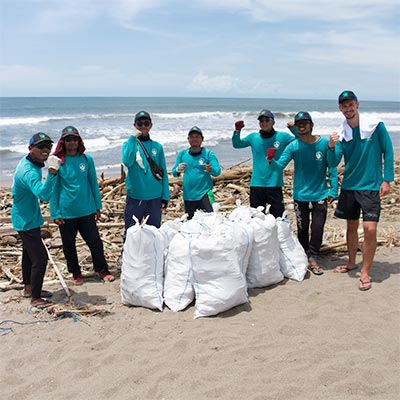
That's why Oceanmata collects 1 kg of plastic directly from the sea with every product sold – in collaboration with local collection teams in Medewi, Bali. Less plastic in the ocean means less raw material for microplastics. It's a small but concrete step in the right direction.
If you want to know more about how the collected plastic is reused, check out our Ocean Plastic explanation – we have transparently broken down everything there.
Conclusion: Be concerned – but don't let it paralyze you 💪
Microplastics in drinking water are real, and it is right to take this issue seriously. The exact long-term consequences for human health are still being researched – but it is already clear today: The solution lies in less plastic overall. Both on your personal level and on political and industrial levels.
You can start today: Drink tap water, avoid plastic bottles, choose sustainable products – and support initiatives that actively remove plastic from the environment. Every step counts.
When Dominik quit his job as an engineer at Airbus in 2020 to found Oceanmata, he knew: The fight against ocean plastic begins with small steps. What started as an idea on a littered beach in Bali is now a team of 11 employees in Medewi, collecting plastic every day.
Join us – for a plastic-free ocean 🐢
For every Oceanmata product, 1 kg of plastic is collected directly from the sea. Phone cases made from Ocean Plastic, jewelry from rescued ocean waste, and marine animal sponsorships – sustainable, transparent, and with real impact. Because the ocean cannot wait.